

Introduction
In today's world, where sustainability and environmental consciousness are becoming increasingly important, the need for eco-friendly products and solutions is more pressing than ever. This holds true for the cable and wiring industry as well, where the choice of materials and manufacturing processes can have a significant impact on the environment. Shielded cables, which are widely used in various applications to protect signals from interference, are no exception. In this article, we will explore the importance of eco-friendly shielded cable choices and highlight some of the best options available in the market.
Importance of Eco-Friendly Shielded Cables
Shielded cables are essential components in many electronic and electrical systems, providing protection against electromagnetic interference (EMI) and radio frequency interference (RFI). These interferences can disrupt signal transmission, leading to data loss, signal degradation, and other performance issues. Shielded cables help maintain signal integrity and ensure reliable operation in sensitive applications such as telecommunications, industrial automation, and medical devices.
While the performance of shielded cables is crucial, it is equally important to consider the environmental impact of these products. Traditional shielded cables often contain materials that are harmful to the environment, such as PVC (polyvinyl chloride) insulation and lead-based shielding materials. The production and disposal of these cables can contribute to pollution, resource depletion, and health hazards for workers and consumers.
Choosing eco-friendly shielded cables is not only a responsible decision from an environmental standpoint but also makes good business sense. Companies that prioritize sustainability and offer green products are increasingly preferred by customers, investors, and regulatory bodies. By opting for eco-friendly shielded cables, organizations can reduce their carbon footprint, minimize waste generation, and demonstrate their commitment to environmental stewardship.
Key Considerations for Eco-Friendly Shielded Cable Choices
When selecting eco-friendly shielded cables for a specific application, several factors should be taken into account to ensure optimal performance and environmental sustainability. Some of the key considerations include:
1. Materials: Eco-friendly shielded cables are typically made from recyclable or biodegradable materials that have minimal impact on the environment. Common environmentally friendly materials used in cable construction include TPE (thermoplastic elastomer), PUR (polyurethane), and bio-based plastics. These materials offer good electrical properties, mechanical strength, and resistance to environmental factors while being eco-friendly alternatives to traditional PVC and halogen-containing compounds.
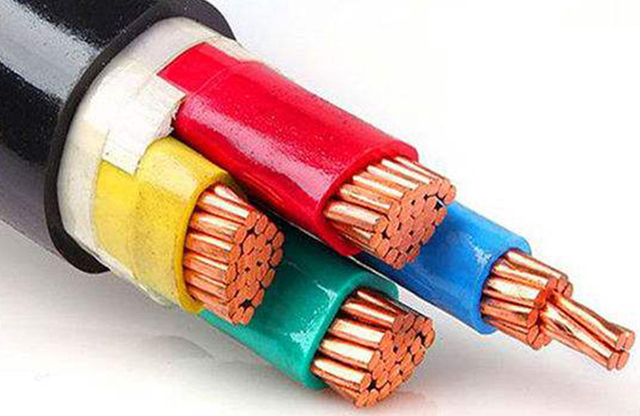
2. Manufacturing Processes: The production of shielded cables involves various manufacturing processes that can affect their environmental footprint. Companies that use energy-efficient equipment, renewable energy sources, and closed-loop recycling systems can significantly reduce their environmental impact. Choosing suppliers that adhere to sustainable manufacturing practices and certifications such as ISO 14001 can ensure the eco-friendliness of the cables.
3. Compliance: Eco-friendly shielded cables should meet relevant environmental regulations and standards to guarantee their sustainability credentials. Certifications such as RoHS (Restriction of Hazardous Substances) and REACH (Registration, Evaluation, Authorization, and Restriction of Chemicals) restrict the use of hazardous substances in electronic products and promote the use of safer alternatives. Compliance with these regulations ensures that shielded cables are free from harmful chemicals and substances that can harm human health and the environment.
4. Performance: While eco-friendliness is a critical factor in choosing shielded cables, performance should not be compromised. The cables must meet the required electrical, mechanical, and environmental specifications for the intended application. Factors such as signal integrity, EMI/RFI shielding effectiveness, temperature range, and flexibility should be carefully evaluated to ensure reliable operation in challenging conditions.
5. End-of-Life Considerations: The disposal and recycling of shielded cables at the end of their life cycle should also be taken into account. Eco-friendly cables are designed for easy disassembly and recycling, allowing valuable materials to be recovered and reused. Companies that offer take-back programs or partner with recycling facilities can ensure that their products are properly managed at the end of their service life, reducing landfill waste and promoting a circular economy.
Best Eco-Friendly Shielded Cable Choices
Several manufacturers offer eco-friendly shielded cables that combine high performance with sustainable materials and manufacturing practices. Here are some of the best options available in the market:
1. Alpha Wire EcoCable: Alpha Wire's EcoCable line features shielded cables with environmentally friendly constructions, including recyclable materials and reduced hazardous substances. These cables offer excellent EMI/RFI shielding performance, flexibility, and durability for a wide range of applications. Alpha Wire is committed to sustainability and offers a range of eco-friendly products that meet industry standards and regulations.
2. Belden EcoFlex: Belden's EcoFlex cables are designed with a focus on environmental sustainability, using bio-based plastics and lead-free shielding materials. These cables provide superior signal integrity, noise immunity, and mechanical strength for demanding applications in industrial automation, transportation, and telecommunications. Belden's EcoFlex series complies with RoHS and REACH regulations, ensuring the safety and eco-friendliness of the products.
3. Lapp ÖLFLEX: Lapp's ÖLFLEX series includes shielded cables that are manufactured using recyclable materials and energy-efficient processes. These cables are known for their high flexibility, oil resistance, and long service life, making them ideal for harsh industrial environments. Lapp is committed to reducing its environmental impact and offers a range of eco-friendly cable solutions that meet international quality and sustainability standards.
4. General Cable Carol Brand: General Cable's Carol Brand offers shielded cables with eco-friendly designs that prioritize sustainability and performance. These cables are constructed from halogen-free materials, low-smoke compounds, and recyclable components to minimize environmental impact. General Cable is dedicated to eco-friendly practices and offers a diverse portfolio of cables for various applications, including data communications, power distribution, and control systems.
Conclusion
Eco-friendly shielded cables play a vital role in ensuring reliable signal transmission and protecting electronic systems from interference while minimizing the environmental impact of cable manufacturing and disposal. By choosing sustainable materials, adopting green manufacturing practices, and complying with environmental regulations, companies can contribute to a more sustainable future and meet the growing demand for eco-friendly products.
When selecting shielded Direct burial control cables for industrial, commercial, or residential applications, it is essential to consider factors such as materials, manufacturing processes, compliance, performance, and end-of-life considerations to make informed and environmentally responsible choices. Manufacturers such as Alpha Wire, Belden, Lapp, and General Cable offer a range of eco-friendly shielded cable options that combine performance, durability, and sustainability to meet the diverse needs of customers across industries.
In conclusion, eco-friendly shielded cables are not just a technological necessity but also a moral imperative in today's environmentally conscious world. By embracing sustainable practices and choosing green products, companies can protect the planet, enhance their reputation, and contribute to a cleaner and healthier future for generations to come.